Developing a personal style in 30 days might sound ambitious, but with a clear plan and thoughtful steps, it is entirely achievable. Personal style is more than clothing choices. It reflects identity, lifestyle, and confidence. When style is developed intentionally, it can elevate everyday looks, streamline shopping decisions, and help individuals project a cohesive visual identity in all settings. This guide offers a structured approach to help any woman define and refine her style over a month, with actionable steps, recommended brands, and wardrobe essentials, insights from fashion experts, and practical everyday advice.
Understanding Personal Style
Personal style is the unique combination of clothing, accessories, colors, fabrics, and silhouettes that resonates with an individual. Unlike fashion trends that change each season, personal style is enduring and rooted in self‑expression. It reflects personality, values, and lifestyle while enhancing confidence and comfort. A thoughtful style journey leads to a wardrobe that feels intentional rather than chaotic, building pieces that serve multiple occasions and complement one another.
A personal style journey involves self‑discovery, experimentation, and refinement. By the end of 30 days, the goal is clarity: a stronger understanding of what works, why it feels right, and how to assemble outfits with confidence.
Week 1: Self Assessment And Inspiration
Day 1 To 3: Define Your Style Goals
Start with clear intentions. Ask what message style should communicate. Are you aiming for more polished workwear, casual chic, minimalist elegance, or bold creative expression? Define outcomes for different occasions such as professional settings, weekends, and special events. Knowing what you want your wardrobe to say helps shape every decision that follows.
Write down three to five adjectives that describe your ideal style. Words such as “effortless,” “classic,” “edgy,” “romantic,” or “modern” provide a framework for decision-making and future shopping. Keeping a journal or digital document helps chart style preferences and reflections throughout the 30 days.
Day 4 To 6: Gather Visual Inspiration
Collect visual references that capture the look and feel you admire. Create a mood board on Pinterest, a folder on your phone, or even a scrapbook with cutouts from magazines or printouts. Look for common themes such as particular colors, silhouettes, textures, or outfits that resonate most.
Look beyond social media trends. Classic icons like Grace Kelly or modern influencers like Zendaya offer varied inspiration. Zendaya’s style ethos emphasizes balance, tailoring, and intentional accessories, showing how confidence and consistency create a unique fashion narrative.
Day 7: Analyze Your Current Wardrobe
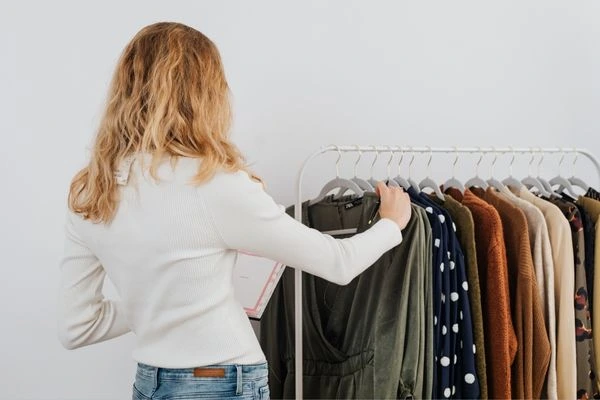
Take time to sort through every item in your closet. Separate what aligns with your goals from what does not. Evaluate each piece for fit, comfort, quality, and emotional response. Items that no longer serve your evolving style should be donated, resold, or set aside.
This process provides clarity on gaps that need to be filled and prevents impulsive purchases later. It also surfaces favorite pieces that might have been overlooked. Knowing what you own before adding new items helps build cohesion.
Week 2: Building A Strong Foundation
Day 8 To 10: Invest In High‑Quality Essentials
Start building a wardrobe foundation with classic, high‑quality basics that mix and match easily. These are pieces that never go out of style and work across seasons. Essentials include a crisp white button‑down shirt, a tailored blazer, perfectly fitting denim, a versatile dress, and elegant knits.
Brands such as COS, Everlane, Massimo Dutti, and & Other Stories are known for refined essentials designed with clean lines and premium materials. These well-made pieces form a versatile foundation that supports long-term style development.
An outfit looks unmistakably stylish when it fits properly. Clothes that are too loose or too tight can detract from even the most carefully curated look. Focus on fit adjustments such as hemming pants, taking in waistlines, and ensuring shoulders align correctly.
Tailoring transforms ordinary items into wardrobe heroes that flatter body shape and enhance comfort. A visit to a skilled tailor early in the process ensures that every item you wear feels intentional and refined.
Day 14: Establish Your Color Palette
Choosing a coherent color palette simplifies outfit coordination and ensures harmony across pieces. Start with neutrals that complement natural tones, such as cream, navy, black, charcoal, and beige. Then add accent colors that bring personality. These may include rich jewel tones, pastels, or bold hues.
This approach reduces decision fatigue when dressing and ensures that most items in the wardrobe can be paired without clashing.
Week 3: Experimentation And Refinement
Day 15 To 17: Trial With Statement Pieces
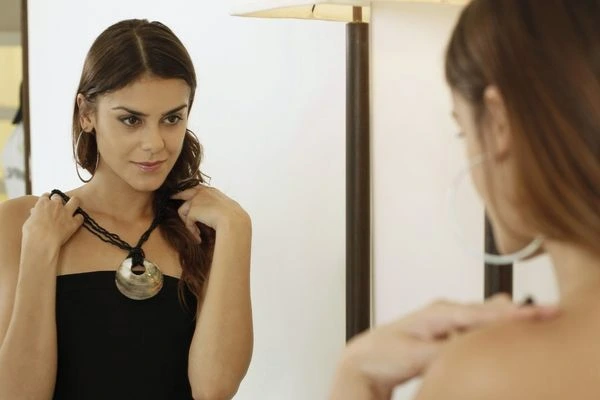
Introduce a few statement pieces that reflect personality and elevate everyday looks. These can include a standout jacket, unique accessories, bold prints, or striking footwear. Statement pieces should contrast yet complement your essentials, creating memorable outfit combinations.
Experiment with textures like velvet, leather, lace, and silk to add depth. Accessories like scarves, belts, handbags, and jewellery add flair to simple outfits and showcase personal style.
Day 18 To 20: Master Outfitting Techniques
Use planning tools to simplify outfit creation. Lay out combinations the night before or employ digital wardrobes and styling apps such as Style DNA, Glance AI, and ClosetSpace. These tools allow better outfit visualization and help track favorite looks.
Another method is the “7‑point rule.” This styling concept allocates styling points to outfit pieces based on their visual impact and encourages balance between basics and standout elements for cohesive results.
Day 21: Identify Your Signature Looks
By now, patterns will emerge in the outfits you enjoyed wearing the most. Identify two to three signature looks you can repeat confidently. These may be a tailored blazer with straight‑leg denim, a slip dress with layered accessories, or a knit sweater with timeless trousers.
Signature looks are reliable outfit formulas that consistently express personal style.
Week 4: Consistency And Style Integration
Day 22 To 24: Elevate Everyday Dressing
Now begin refining how your style flows into everyday life. Blend comfort with personality by choosing pieces that support daily activities while expressing your style preferences. For example, sleek chinos with classic sneakers work for casual errands, while midi dresses paired with elegant boots create a polished yet effortless look.
Straight‑leg jeans and tailored trousers offer timeless foundations for varied outfits. Straight silhouettes are trending for 2026 with refined structure and versatile pairing potential.
Day 25 To 27: Integrate Trends With Intent
Personal style is not the same as trend chasing. Trends can add freshness, but should be integrated only when they align with individual preferences. For example, cigarette jeans are making a comeback in 2026, and they can be stylishly incorporated when they enhance wardrobe coherence and fit.
Evaluate trends for longevity and versatility before buying. Prioritize pieces that enhance personal style rather than dominate it.
Day 28 To 30: Review And Reinforce
During the final stretch, reflect on progress. Review mood boards, wardrobe edits, and favorite outfits. Identify what feels most aligned and what adjustments still feel necessary. Make small tweaks, such as adding an intentional quality piece like a premium blazer, an elegant bag, or classic footwear that reinforces your curated style.
At this stage, you should feel confident in your personal style choices and be equipped with a clearer wardrobe vision.
Everyday Style Tips For Lasting Confidence
Developing personal style is not a one‑time project but a continual journey. Here are additional practical tips to reinforce confidence and style longevity:
Maintain Quality Over Quantity
Less is more. Prioritize quality pieces that wear well over time, make outfits feel polished, and minimize waste. A curated wardrobe with fewer, better pieces is more sustainable and functional.
Stay Organized
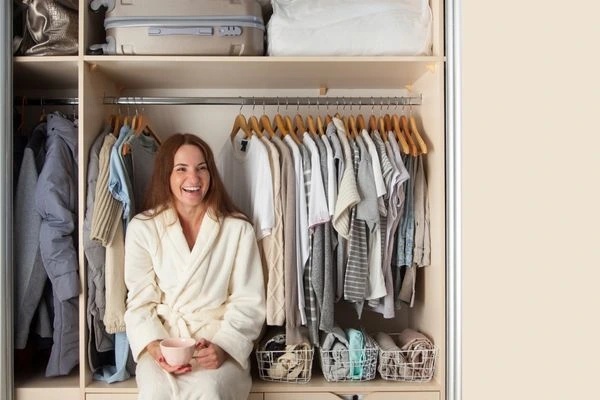
An organized closet saves time, reduces decision fatigue, and shows clearly what you own. Group clothes by type or color, and rotate items seasonally. This also makes it easier to spot gaps or redundancies.
Capture And Reflect
Consider documenting outfits or creating a fashion journal and writing down what works and why can clarify preferences and accelerate growth. Over time, patterns of comfort and confidence will emerge.
Fit And Comfort Matter
Clothes that feel good physically influence how they look visually. Prioritize garments that move with you, fit well, and feel comfortable in daily activities.
Recommended Brands And Essentials
Here are some brands and categories that support a versatile and stylish wardrobe foundation:
- COS and & Other Stories for elevated essentials like blazers, knits, and classic tops.
- Everlane for timeless basics and sustainable wardrobe staples.
- Massimo Dutti for refined pieces with European tailoring influence.
- Zara for trend integrations that support personal style exploration.
- Toteme and The Row for premium wardrobe mainstays if budget allows.
Well‑fitted denim, such as straight‑leg or tailored silhouettes, that transition from season to season.
Building Confidence Through Personal Style in 30 Days
Developing personal style in 30 days is a transformative process rooted in self‑awareness, thoughtful planning, and intentional choice. By assessing personal goals, refining wardrobe basics, experimenting with statement pieces, and reinforcing everyday practices, it is possible to build a style that feels authentic and empowering. Personal style becomes a tool for visual communication and confidence, adding value to every aspect of life from casual outings to professional settings. With clarity, consistency, and refinement, the wardrobe becomes a reflection of identity rather than a source of stress. Embrace the journey and enjoy the confidence that comes from dressing with purpose and personality.