Choosing the right fabric is one of the most important steps in buying clothing, home textiles, and accessories. Fabric quality determines how long an item lasts, how comfortable it feels, how it performs under different conditions, and even its environmental impact. Whether shopping in a physical store or browsing online, understanding fabric quality empowers buyers to make informed choices that align with their lifestyle, budget, and values.
Not all fabrics are created equal. Some may feel luxurious and perform beautifully, while others degrade quickly, pill, or lose shape after just a few wears. Knowing how to evaluate fabric quality before purchasing helps consumers invest in pieces that look better for longer and reduce unnecessary waste. This guide covers fabric fundamentals, quality indicators, common fabric types, online shopping insights, brand examples, and sustainable considerations, helping shoppers navigate the ever-expanding world of textiles.
Why Fabric Quality Matters
Fabric quality influences comfort, durability, appearance, and sustainability. High-quality fabrics often feel better against the skin, breathe effectively, resist wear and tear, and retain their color and shape over time. In contrast, low-quality materials may feel stiff, thin, or uncomfortable and can quickly show signs of wear, such as pilling, fading, or sagging.
Fabric quality also affects how garments perform in different climates or settings. Breathable natural fibers keep you cool in warm weather, while dense, insulating fabrics keep you warm in colder conditions. Fabrics with good stretch and recovery ensure a better fit over time, especially for form-fitting clothing or activewear. Evaluating fabric quality before buying reduces the risk of disappointment and helps ensure that garments remain usable and attractive through many wears, giving better long-term value and reducing unnecessary waste.
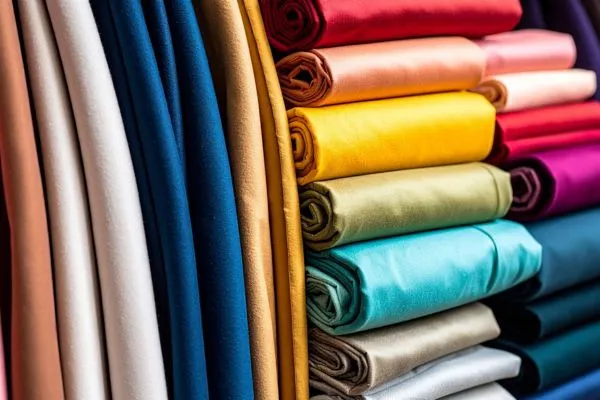
Understanding Fabric Types
Different fabric types offer distinct advantages and limitations. Knowing the qualities of common fabrics helps buyers choose materials suited to their needs and lifestyle, whether for everyday wear, special occasions, or home use.
Natural Fibers
Natural fibers, derived from plants or animals, are often prized for their comfort, breathability, and environmental benefits when responsibly sourced.
- Cotton: Soft, breathable, and versatile, cotton is used for casual wear, shirts, dresses, and home textiles. Organic cotton uses fewer pesticides and supports eco-conscious shopping habits. Brands like Levi’s and Everlane prioritize organic cotton in many of their collections.
- Linen: Derived from flax, linen is lightweight, highly breathable, and durable, making it ideal for summer apparel and relaxed home textiles. High-quality linen has minimal slubs and softens naturally over time. Eileen Fisher and H&M Conscious lines offer premium linen clothing.
- Silk: Silk provides a smooth, luxurious feel and beautiful drape, ideal for formalwear, blouses, and evening gowns. High-momme silk ensures durability and sheen, making it a long-lasting investment. Designers like Stella McCartney and Gabriela Hearst frequently feature silk in sustainable, high-quality collections.
- Wool: Excellent for insulation in colder climates. Fine wool types such as Merino or cashmere are softer and suitable for sweaters, coats, and scarves. Brands such as Patagonia and Uniqlo offer merino wool basics that combine warmth, comfort, and quality.
Semi-Synthetic Fibers
Semi-synthetic fabrics originate from natural sources but undergo significant chemical processing.
- TENCEL™ (Lyocell): Made from sustainably sourced wood pulp using a closed-loop process, TENCEL™ feels soft, breathable, and moisture-wicking, making it ideal for summer wear and sleepwear. Brands like Lenzing and Allbirds incorporate this fiber into eco-friendly collections.
- Rayon / Viscose: Lightweight with a silk-like drape, rayon and viscose are often used in blouses, dresses, and lining materials. The quality depends heavily on processing, with premium variants offering long-lasting softness and color retention.
Synthetic Fibers
Synthetic fabrics are engineered for durability, stretch, and specific performance characteristics, though they may have environmental impacts if not recycled or responsibly sourced.
- Polyester: Known for its strength, wrinkle resistance, and easy care, polyester is common in outerwear, activewear, and home textiles. However, it can trap heat and shed microplastics when washed. Brands like Columbia and Nike offer recycled polyester options.
- Nylon: Durable and elastic, nylon is popular for hosiery, outerwear, and performance gear. High-quality nylon fabrics are abrasion-resistant and maintain shape over time.
- Spandex (Elastane): Adds stretch and recovery to fabrics, enhancing comfort and fit in activewear, leggings, and fitted clothing. Often blended with other fibers for optimal performance.
Blended Fabrics
Blends combine the best traits of multiple fibers. For example, cotton-polyester blends improve wrinkle resistance and durability, while merino-wool-synthetic blends offer warmth, stretch, and moisture-wicking. High-quality blends are engineered for both comfort and longevity.
Core Indicators of Fabric Quality
Evaluating fabric quality goes beyond reading labels. Several practical tests and observations can reveal whether a fabric is likely to be durable and comfortable.
Check the Weave or Knit
A tight, consistent weave or knit indicates durability. Examine the fabric closely for uneven threads, visible gaps, or loose fibers. Fabrics with precise weaving generally resist stretching, tearing, and distortion over time.
Feel the Texture
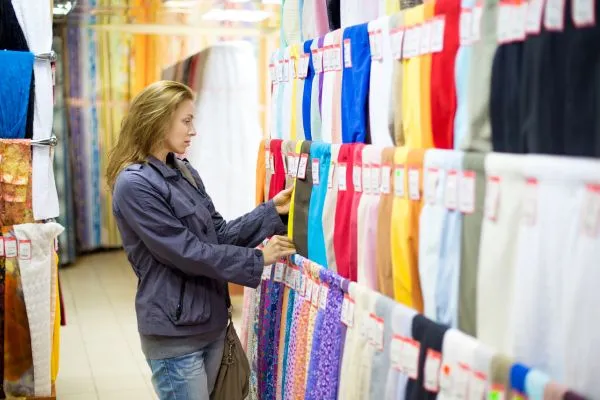
Touch provides critical insight into quality. A smooth, uniform texture and a substantial feel suggest a better material. If the fabric feels rough, overly thin, or inconsistent, it may be low quality. Consider how it drapes or stretches during handling.
Examine Color and Finish
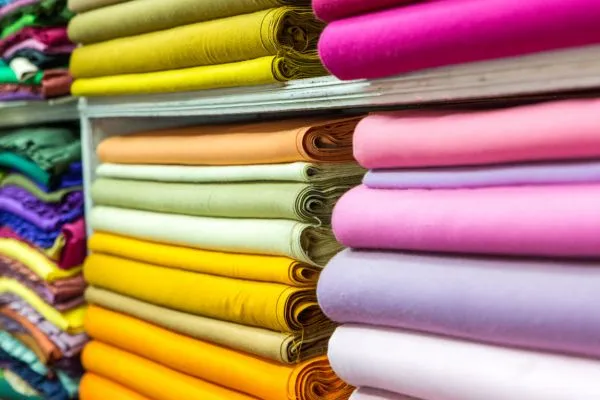
Even coloration and minimal surface blemishes indicate better dyeing and finishing. Vibrant, consistent colors suggest attention to quality in production. Fabrics with subtle sheen or matte finish, appropriate for their fiber type, are often more durable and aesthetically pleasing.
Check the Drape and Weight
High-quality fabrics fall naturally and evenly. Silk should drape fluidly, cotton may hold some structure, and wool should feel hearty without stiffness. Fabric weight, sometimes listed as GSM (grams per square meter), can indicate thickness and durability.
Pull and Stretch Test
Gently stretching the fabric reveals elasticity and recovery. Good fabrics maintain their form and resist deformation, while lower-quality options may sag or lose shape.
Read the Label
Labels provide crucial information on fiber composition, care instructions, and country of origin. Transparent, detailed labels often indicate higher-quality manufacturing and attention to detail.
How to Assess Fabric Quality Without Touching It
Online shopping creates the challenge of evaluating fabrics without direct contact. Several indicators help make informed decisions.
- High-Quality Images: Look for close-up photos that show the weave, texture, and finish. Tight, consistent patterns are a positive sign.
- GSM or Weight Information: Weight measurements indicate thickness and durability. Heavier fabrics are often more durable, while lightweight fabrics are suited for summer or layered looks.
- Detailed Descriptions: Brands that include fiber percentages, construction techniques, and performance features (like moisture-wicking or wrinkle-resistance) provide transparency and build trust.
- Customer Reviews: Shoppers often comment on feel, stretch, and drape. These firsthand insights can reveal whether the fabric lives up to its description.
Examples of Quality Fabrics and Recommended Uses
Cotton and Premium Variants
Egyptian cotton and Pima cotton feature long fibers that resist pilling, are soft to the touch, and are ideal for shirts, bedding, and casual wear.
Linen for Breathability
High-quality linen has minimal slubs, a crisp hand feel, and softens naturally. It is perfect for warm-weather clothing, table linens, and lightweight jackets.
Silk for Luxury
Silk with a higher momme weight offers better durability, sheen, and drape, making it suitable for evening gowns, blouses, and premium accessories.
Wool and Fine Knits
Merino wool and cashmere offer warmth, softness, and resilience. Fine knits maintain shape and are excellent for sweaters, scarves, and outerwear.
Blended Performance Fabrics
Blends such as cotton-polyester or nylon-spandex deliver versatility for activewear, travel clothing, and garments that require stretch and durability.
Sustainable and Ethical Considerations
Sustainability has become an essential factor in fabric evaluation. Natural fibers like organic cotton, linen, and responsibly sourced wool are biodegradable and environmentally friendly compared to virgin synthetics like polyester and nylon. Semi-synthetics like TENCEL™ provide eco-friendly alternatives with soft performance and biodegradability.
Consumers must remain vigilant against greenwashing. Some fabrics marketed as environmentally friendly, such as certain vegan leathers, may still be made from plastic, offering only limited sustainability benefits. Brands committed to transparency and responsible sourcing, such as Patagonia, Everlane, and Reformation, are excellent choices for quality fabrics that also meet ethical and environmental standards.
How Fabric Quality Affects Longevity and Value
High-quality fabrics often cost more upfront but provide long-term value. They resist wear, maintain their appearance, and can be repurposed or reused. Investing in durable materials reduces the frequency of replacement, ultimately saving money and lowering environmental impact.
Practical Tips Before You Buy
- Examine the Label: Check fiber content, care instructions, and origin.
- Feel the Fabric: Test softness, texture, and weight when possible.
- Check for Color Consistency: Ensure no blotches or uneven dyeing.
- Compare Samples: Side-by-side comparison helps distinguish quality.
- Research the Brand: Established, transparent brands often provide higher-quality fabrics.
The Lasting Impact of Thoughtful Fabric Selection
Understanding fabric quality before you buy is essential for making smart, sustainable, and cost-effective choices. High-quality fabrics feel better, perform better, and last longer. By evaluating fiber types, examining key indicators, and considering sustainability, shoppers can invest in garments and textiles that provide comfort, durability, and style for years to come.
From luxurious silk dresses and fine wool sweaters to breathable cotton shirts and sustainable blends, knowing what to look for in fabric quality ensures that purchases align with personal values and lifestyle. Thoughtful consideration and informed decisions transform fabric selection from a simple transaction into a lasting investment in comfort, quality, and sustainability.