Global fashion brands shape how people dress, express themselves, and experience culture across borders. From luxury houses with centuries of history to modern labels born online, these brands influence trends, lifestyles, and even social values worldwide. Fashion today is no longer limited by geography. A design created in Paris can be worn in Manila, New York, or Milan within weeks, sometimes even days.
This article explores what global fashion brands are, how they rise to international prominence, and why they matter in today’s interconnected world. It also looks at the challenges they face, the role of digital platforms, and what the future holds for fashion on a global scale.
What Defines a Global Fashion Brand?
A global fashion brand operates and resonates across multiple countries and cultures. These brands maintain a recognizable identity while adapting to diverse markets. Their collections, messaging, and values are consistent, yet flexible enough to feel relevant locally.
Global fashion brands often have international retail networks, strong online presence, and widespread cultural recognition. However, size alone does not define global status. Influence, storytelling, and consumer loyalty matter just as much as distribution.
For example, a luxury house like Chanel is instantly recognizable worldwide due to its iconic designs and heritage. At the same time, a contemporary brand like Uniqlo has achieved global reach by focusing on everyday functionality and accessible pricing.
The Evolution of Global Fashion Brands
Global fashion brands did not emerge overnight. Many began as small ateliers, family businesses, or niche labels before expanding internationally.
European fashion capitals such as Paris, Milan, and London played a significant role in shaping early global brands. Couture houses built reputations through craftsmanship, exclusivity, and elite clientele. Over time, industrialization and mass production allowed fashion to reach broader audiences.
The late twentieth century marked a turning point. Improved transportation, global trade, and media exposure accelerated international expansion. Fashion magazines, runway shows, and celebrity endorsements helped brands reach new markets.
In recent decades, digital technology has further transformed growth. Social media, e-commerce, and influencer culture allow brands to gain global attention faster than ever before.
Major Categories of Global Fashion Brands
Global fashion brands span a wide range of styles, price points, and philosophies. Understanding these categories helps explain their different paths to success.
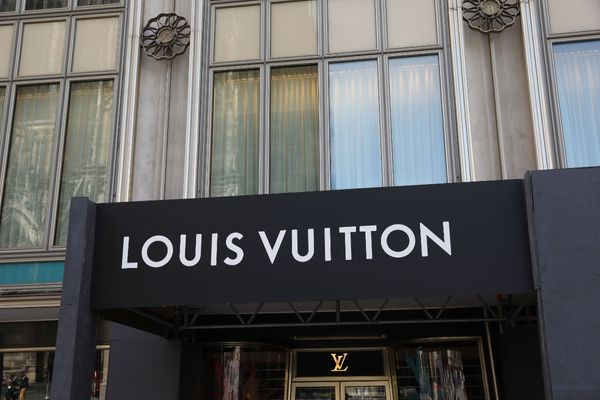
Luxury fashion brands focus on craftsmanship, heritage, and exclusivity. Brands like Louis Vuitton, Hermès, Gucci, and Dior represent status and timeless design. Their global appeal lies in consistency and prestige.
Premium and contemporary brands bridge luxury and accessibility. Labels such as Ralph Lauren, Burberry, Acne Studios, and Theory appeal to consumers seeking quality and design without the highest price tags.
Fast fashion brands operate on speed and trend responsiveness. Companies like Zara, H&M, and Shein reach global audiences by quickly adapting runway trends for mass consumption.
Athleisure and sportswear brands have also achieved global dominance. Nike, Adidas, and Lululemon combine performance with lifestyle appeal, making them popular across cultures.
How Global Fashion Brands Adapt to Local Markets
Global fashion brands face the ongoing challenge of maintaining a consistent brand identity while remaining relevant across diverse cultural contexts. Strategies that succeed in one region may not resonate in another, underscoring the importance of localization for sustaining global appeal.
In-depth market research is a cornerstone of adaptation. Insights into local preferences, climate conditions, body types, and cultural norms inform design, sizing, color palettes, and material choices. These factors also influence marketing imagery, product presentation, and campaign messaging, ensuring that offerings feel authentic and desirable to regional audiences.
Product adjustments often reflect specific cultural or practical needs. Modest fashion collections, for instance, cater to regions where conservative dress codes are observed, while seasonal or climate-specific designs ensure functionality in both tropical and colder environments. Footwear, outerwear, and accessories may be modified to accommodate local weather conditions or lifestyle habits.
Communication and language are equally critical. Campaigns are tailored to local languages, cultural references, and societal values while preserving a cohesive global brand voice. Advertising, social media engagement, and influencer partnerships are carefully localized to resonate with target audiences, enhancing both relevance and trust.
By blending consistent brand identity with strategic localization, global fashion brands can effectively meet regional expectations while sustaining international recognition and loyalty.
The Role of Technology in Global Fashion Expansion
Technology has become a cornerstone of global fashion branding. E-commerce platforms allow brands to reach customers without physical stores, reducing expansion costs and increasing accessibility.
Social media has reshaped how brands communicate. Instagram, TikTok, and YouTube serve as global stages where fashion trends spread instantly. A single post can influence millions across continents.
Data analytics help brands understand consumer behavior in different regions. This allows for smarter inventory management, personalized marketing, and localized product launches.
Virtual fashion shows, digital lookbooks, and augmented reality tools are also redefining how consumers experience global brands online.

Global Fashion Brands and Cultural Influence
Fashion extends beyond clothing as a reflection of society, identity, and cultural currents shaping the world. Global fashion brands, through reach and visibility, often act as both mirrors and catalysts for cultural conversations, influencing perceptions of style, social values, and self-expression across regions.
Collaborations with local artists, emerging designers, or international figures introduce new perspectives and storytelling elements into collections. These initiatives broaden brand appeal and celebrate cultural diversity, connecting audiences worldwide to the creative process. Limited-edition capsules or region-specific releases highlight heritage, artistry, or social commentary, fostering engagement across different markets.
Global fashion brands also influence music, film, and social movements. Streetwear labels have strong ties to youth culture, hip-hop, skateboarding, and activism, using apparel to communicate identity, values, and rebellion. Luxury houses extend influence through cinema, music videos, and high-profile cultural events, shaping societal ideals of taste, status, and aspiration.
Cultural influence carries responsibility. Drawing inspiration from global traditions, patterns, or symbols requires careful consideration to avoid appropriation and ensure respect for original contexts. Missteps can provoke public backlash, underscoring the importance of cultural understanding. Effective global fashion brands balance inspiration with sensitivity, honoring origins while maintaining innovation for international audiences.
Cultural influence operates as a two-way interaction, with fashion shaping culture and culture shaping fashion. Engaged and thoughtful global brands contribute to meaningful cross-cultural dialogue while maintaining relevance across diverse markets.
Sustainability and Ethics in Global Fashion Brands
As global awareness grows, sustainability and ethical practices have become central concerns for fashion brands.
Large global brands face scrutiny over labor practices, environmental impact, and transparency. Consumers increasingly expect brands to take responsibility for their supply chains.
Many global fashion brands are investing in sustainable materials, circular fashion programs, and ethical manufacturing. Initiatives such as recycling programs, carbon-reduction goals, and fair-labor commitments are becoming more common.
While progress varies, sustainability is no longer optional for global brands that want to maintain trust and relevance.
The Impact of Global Fashion Brands on Local Industries
Global fashion brands bring both opportunities and challenges to local fashion industries.
On one hand, they create jobs, introduce new technologies, and raise fashion standards. Exposure to global brands can inspire local designers and elevate consumer expectations.
On the other hand, competition from large brands can make it difficult for small local labels to survive. Fast fashion, in particular, can dominate markets with low prices and rapid turnover.
Some global brands address this by collaborating with local artisans, designers, or manufacturers. These partnerships help preserve craftsmanship while fostering cultural exchange.
Consumer Loyalty and Brand Identity
Building loyalty on a global scale requires more than attractive designs. Consumers connect with brands that reflect their values and lifestyles.
Global fashion brands invest heavily in storytelling. Heritage, craftsmanship, innovation, and social responsibility all contribute to a strong brand identity.
Consistency is key. Whether a customer shops in Tokyo or Toronto, the brand experience should feel familiar and trustworthy.
Loyalty programs, personalized shopping experiences, and strong customer service further strengthen long-term relationships.

Challenges Facing Global Fashion Brands
Despite their reach, global fashion brands face significant challenges.
Economic fluctuations, supply chain disruptions, and changing consumer behavior can impact operations worldwide. Political tensions and trade regulations also affect international business.
Trends move faster than ever, making it harder to predict demand. Overproduction and unsold inventory remain significant concerns.
Reputation management is another challenge. In the digital age, mistakes spread quickly, and brands are held accountable by a global audience.
The Future of Global Fashion Brands
The future of global fashion brands will be shaped by innovation, responsibility, and adaptability.
Technology will continue to redefine how brands design, market, and sell products. Digital fashion, customization, and virtual experiences are likely to grow.
Sustainability will become even more central, pushing brands to rethink materials, production, and consumption models.
Diversity and inclusion will also play a larger role. Brands that genuinely represent different cultures, body types, and identities will resonate more deeply with global audiences.
How Global Fashion Shapes Style, Culture, and Responsibility
Global fashion brands are more than businesses. They are cultural storytellers, trendsetters, and connectors of people across the world.
Their success lies in balancing heritage with innovation, consistency with adaptability, and style with responsibility.
As fashion continues to evolve, global brands that listen, learn, and lead with purpose will shape not just what people wear, but how fashion fits into a more connected and conscious world.