Building an authentic signature look is a goal for anyone who wants to present themselves confidently and consistently through fashion. A signature look serves as a personal style identity. It simplifies wardrobe decisions, enhances self-expression, and communicates who someone is before they even speak. In a world full of fast fashion and fleeting trends, cultivating a distinct style grounded in individuality and intention sets a person apart.
Rather than chasing every trend, developing a signature look requires defining aesthetic preferences, choosing wardrobe staples that reflect personality, and elevating outfits through thoughtful curation. The result is a style that feels natural, polished, and unmistakably personal.

What A Signature Look Really Means
A signature look is not a uniform worn every day. It is a cohesive fashion identity that combines personal tastes, lifestyle needs, and visual consistency. Recurring elements such as favorite silhouettes, palette preferences, or distinctive accessories make a signature style recognizable. Makeup, grooming, and styling choices also play a significant role.
Personal style has grown in importance as people reject uniform trends and seek individual expression. It is no longer about following rules but about reflecting personality and confidence. Authenticity in style is celebrated over conformity, allowing individuals to stand out while remaining true to themselves.

How To Build An Authentic Signature Look
1. Start With Self-Reflection
Defining a signature look starts with introspection. Important questions to consider include:
- How does clothing make you feel?
- What traits or qualities do you want to showcase through your style?
- Do you feel more confident in structured pieces or relaxed silhouettes?
Reflecting on these questions uncovers deeper style values and preferences. Descriptive adjectives such as “effortlessly chic,” “bold and artistic,” or “modern classic” can act as guiding principles when curating outfits. These words serve as anchors to help choose pieces that align with your identity.
2. Seek Inspiration and Learn From Icons
Signature looks are often shaped by external inspiration. Observing fashion icons, cultural figures, or everyday individuals whose style resonates can help clarify preferences. Inspiration does not mean copying. It involves identifying appealing elements and adapting them authentically.
Jennifer Lawrence, for example, has influenced many by demonstrating how basics can be elevated through layering, texture, and bold accessories. Zendaya is another reference point, using tailoring, silhouette play, and expressive accessories to create personal narratives through outfits. Their styles show that a signature look is not only about individual pieces but also the story they tell.
3. Create A Signature Color Palette
A consistent color palette is one of the most impactful steps in building a signature look. It helps create cohesive outfits and highlights individuality while complementing natural features like skin tone and hair color.
A commonly recommended formula includes:
- Base colors: Neutrals such as black, white, beige, navy, or charcoal for versatility.
- Accent colors: Two to four hues that harmonize with the neutrals and reflect personality.
- Statement colors: One or two bold shades used sparingly to express individuality.
By adhering to a palette, outfits feel intentional, making it easier to mix and match pieces seamlessly.
4. Know Your Silhouettes
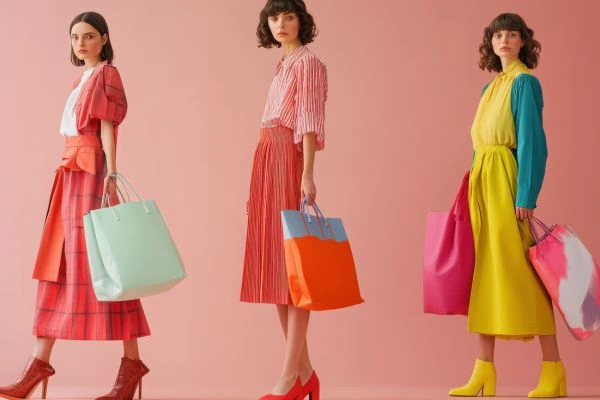
Silhouette refers to the shape and form of clothing. Recognizing which silhouettes flatter the body and feel comfortable is essential for refining a signature look. Structured tailoring conveys precision and elegance, while fluid, relaxed lines feel effortless and approachable.
Identifying preferred silhouettes accelerates the signature look process. This might include tailored blazers, high-waisted trousers, relaxed-fit knitwear, or flowing dresses. Over time, recurring silhouettes become a recognizable aspect of your personal style.
5. Invest In High-Quality Essentials
Foundation pieces are the backbone of a signature wardrobe. These essentials appear repeatedly in outfits and can be paired with trendier or personality-driven pieces to create balanced looks.
Key essentials include:
- A well-tailored blazer or structured jacket that elevates casual outfits.
- Classic denim with a fit that flatters your body shape.
- Crisp button-down shirts in neutral tones.
- Quality knitwear, such as cashmere sweaters or fine knit turtlenecks.
- An essential coat, whether a trench or wool overcoat.
Stylists recommend updating these foundational pieces at the start of the year to keep a wardrobe fresh and intentional, rather than letting trends dictate purchases.
6. Select Standout Signature Items
Signature pieces are worn frequently enough to become synonymous with your style. These items often carry emotional or aesthetic significance. Examples include:
- A favorite leather jacket.
- Statement footwear that anchors outfits.
- Distinctive sunglasses or a signature handbag.
- Jewelry that makes repeat appearances.
Signature items express personal identity rather than impressing others. They are central to building a look that feels authentic and recognizable.
7. Accessorise With Intention
Accessories refine and personalize a signature look. The right accessories add finishing touches, inject personality, and elevate simple outfits. Effective choices include:
- Statement earrings or minimal gold chains.
- Structured handbags that anchor visual appeal.
- Scarves or hats that add dimension and texture.
- Belts that define silhouette and provide finishing detail.
Choosing accessories you naturally reach for ensures they become part of your signature style and not just trend-driven additions.
Build A Capsule Wardrobe
A capsule wardrobe supports a signature look by focusing on fewer, higher-quality items that work well together. This approach minimizes clutter and maximizes versatility.
A classic capsule wardrobe includes neutral tops, timeless trousers, quality outerwear, a few statement pieces, and items that fit your signature color palette. This system simplifies dressing and ensures every piece contributes to your style identity.

Experiment With Texture And Fit
Texture and fit are often overlooked but crucial for authenticity. The tactile interplay of fabrics like wool, silk, denim, knit, and leather adds depth to outfits. Thoughtful tailoring ensures garments complement your proportions.
Experimenting with contrasting textures, such as pairing structured pieces with softer fabrics, creates visual interest. Fitted versus looser silhouettes produce entirely different impressions, but both can feel authentic when chosen thoughtfully.
Incorporate Personal Stories And Cultural Influences
A truly authentic signature look reflects personal history, meaningful experiences, or cultural influences. Clothing and accessories can communicate identity, heritage, and values, turning a wardrobe into a storytelling tool.
Heritage can be expressed through fabrics, patterns, or designs with personal significance. For example, incorporating Ikat, Kente, or embroidered silk, or using colors and motifs tied to cultural traditions, adds depth to outfits. Accessories from local artisans or symbolic jewelry further reinforce individuality.
Signature items can commemorate personal milestones, such as a tailored jacket marking a promotion or jewelry passed down through generations. Incorporating trends that align with personal meaning, such as bold prints, sustainable brands, or handcrafted limited-edition pieces, ensures style is both modern and individual.
By grounding a wardrobe in personal stories and cultural references, outfits become more memorable, meaningful, and authentic.
Invest In Sustainable And Ethical Fashion
Building a signature look also means being mindful of sustainability. Choosing ethically produced or eco-conscious brands ensures your style aligns with personal values.
- Opt for slow fashion brands that prioritize craftsmanship over mass production.
- Select materials that are environmentally responsible, such as organic cotton, recycled fabrics, or plant-based leathers.
- Support local artisans and small-scale producers to maintain unique, authentic pieces.
Sustainability enhances authenticity because it reflects thoughtful intention rather than impulse consumption.
Maintain Consistency But Allow Evolution
Consistency is key in establishing a signature look, but evolution is equally important. Personal taste, lifestyle, and confidence grow over time, and signature style should adapt without losing its core identity.
Consistent elements, such as preferred silhouettes or color palettes, make a style recognizable. Introducing new pieces carefully allows for refreshing the wardrobe while maintaining authenticity. Balancing consistency with experimentation keeps personal style engaging and contemporary.
Leverage Seasonal Trends Strategically
Trends can refresh a signature look when used thoughtfully. Rather than chasing every trend, integrate seasonal items that complement your existing wardrobe:
- Add statement colors or patterns that harmonize with your palette.
- Include one or two trendy accessories, such as a scarf, handbag, or shoes.
- Avoid fully adopting trend-driven items that clash with your established aesthetic.
This approach keeps your style current without compromising authenticity.
Avoid Common Style Pitfalls
Developing an authentic signature look requires awareness of potential missteps. Common pitfalls include:
- Chasing every trend, which dilutes individuality.
- Accumulating unrelated pieces makes cohesive styling difficult.
- Ignoring fit, as poorly fitted garments undermine an otherwise intentional look.
- Neglecting self-expression, as clothing chosen solely for approval rarely feels authentic.
Style develops through reflection, trial, and adjustment, and recognizing these pitfalls helps refine a wardrobe that truly represents you.
Presentation Matters Too
Clothing is only part of a signature look. Grooming, posture, and presentation significantly influence perception. Thoughtful attention to hair, skincare, and garment maintenance enhances the impact of outfits. Polished presentation reinforces confidence and makes wardrobe choices appear intentional.
Create Outfit Formulas That Work
Developing outfit formulas streamlines dressing while maintaining style consistency. Reliable combinations provide a framework for everyday dressing:
Everyday Polished
- Neutral base with tailored trousers
- Crisp shirt and structured blazer
- Classic loafers or pointed flats
Relaxed Yet Curated
- Classic denim with a quality tee
- Elevated sneakers and a structured jacket
- Statement belt or scarf
Evening Refined
- Monochrome outfit with a bold coat
- Minimal accessories and standout shoes
- Sophisticated handbag or clutch
Formulas provide structure while allowing personal touches that make each outfit feel unique.
Style Is A Personal Journey
Developing a signature look is an ongoing journey rather than a one-time task. It evolves with experiences, self-discovery, and shifting lifestyles. Personal fashion is not about perfection but authentic expression. Reflection and adjustment ensure the signature look remains intentional and true to identity. Through deliberate selection, honest exploration, and considered presentation, a signature look becomes an effortless extension of self.