Seasonal accessories play a decisive role in fashion, often more than people realize. While clothing forms the foundation of an outfit, accessories are what bring it to life. They reflect the weather, mood, lifestyle, and even cultural moments tied to each season. From cozy winter layers to breezy summer accents, seasonal accessories help wardrobes stay fresh, practical, and expressive year-round.
This article explores what seasonal accessories are, why they matter, how they change throughout the year, and how to choose and style them thoughtfully. Whether you are building a capsule wardrobe, running a fashion business, or simply looking to elevate your everyday outfits, understanding seasonal accessories can make a noticeable difference.
What Are Seasonal Accessories?
Seasonal accessories are fashion items designed to complement specific times of the year, both in function and style. These include bags, shoes, jewelry, hats, scarves, belts, sunglasses, hair accessories, and even tech-friendly items like smart gloves or weather-ready backpacks.
What makes an accessory seasonal is not just its look but also its practicality. A straw tote fits naturally into summer, while a wool scarf belongs in winter. Seasonal accessories respond to temperature changes, weather conditions, social activities, and fashion trends that emerge throughout the year.
They are also among the easiest ways to update a wardrobe without replacing major pieces. Swapping accessories can instantly make an outfit feel current and appropriate for the season.
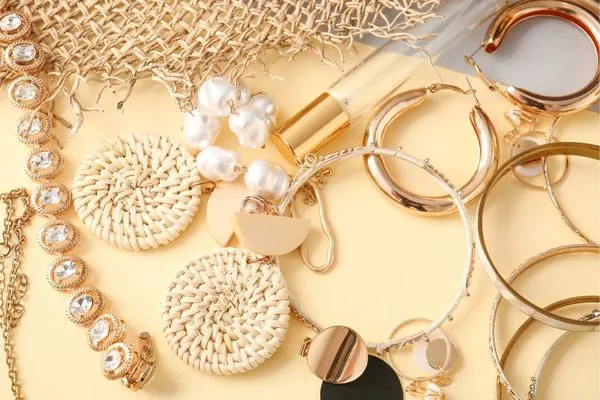
Why Seasonal Accessories Matter in Fashion
Accessories are often where personal style shines the most. Seasonal accessories, in particular, allow people to adapt their look while staying comfortable and functional.
From a practical standpoint, seasonal accessories serve real needs. Sunglasses protect the eyes from the bright weather. Gloves keep hands warm in cold months. Hats shield from the sun or rain, depending on the season.
From a style perspective, accessories add layers of interest, texture, and color. They help outfits feel intentional rather than basic. A simple outfit can look completely different when paired with season-appropriate accessories.
For fashion brands and retailers, seasonal accessories also drive repeat purchases. Clothing may be bought a few times a year, but accessories are often refreshed every season, making them essential for trend cycles and sales strategies.
Spring Accessories
Spring accessories reflect renewal and transition. As temperatures rise and days get longer, fashion shifts toward lighter materials, softer colors, and versatile layering pieces.
Scarves are a staple during spring. Lightweight scarves made from cotton, silk, or modal add warmth on cool mornings without weighing you down. They also bring color and pattern into neutral outfits.
Bags in spring often feature softer shapes and lighter materials. Canvas totes, crossbody bags, and pastel handbags become popular as people move away from structured winter styles.
Jewelry in spring leans toward delicate designs. Think floral motifs, dainty chains, pearls, and subtle pops of color. These pieces pair well with flowing dresses and lighter fabrics.
Footwear accessories also change in spring. Ankle socks, loafers, ballet flats, and lightweight sneakers replace heavy boots. Hair accessories like clips, headbands, and ribbons add a playful touch that feels seasonally appropriate.
Summer Accessories
Summer accessories are all about comfort, protection, and personality. With warmer weather, outdoor activities, travel, and social events, accessory choices are influenced.
Sunglasses become essential during the summer. From classic aviators to oversized frames, sunglasses combine style with eye protection. Many people rotate multiple pairs to match different outfits and occasions.
Hats are another summer staple. Straw hats, bucket hats, and baseball caps provide sun protection while completing summer looks. They are especially popular for beach trips, festivals, and casual outings.
Bags in summer are often lightweight and spacious. Straw bags, woven totes, nylon crossbodies, and mini backpacks are practical for carrying essentials without feeling bulky.
Jewelry trends in summer lean bolder. Chunky chains, colorful beads, shell details, and statement earrings reflect the season’s playful energy. Because clothing is often simpler in summer, accessories take on a bigger visual role.
Footwear accessories also stand out. Sandals, slides, espadrilles, and anklets become part of the seasonal style conversation, emphasizing ease and movement.
Fall Accessories
Fall is a favorite season for many fashion lovers because of its rich textures and layering opportunities. Accessories during this time add warmth while enhancing depth and color.
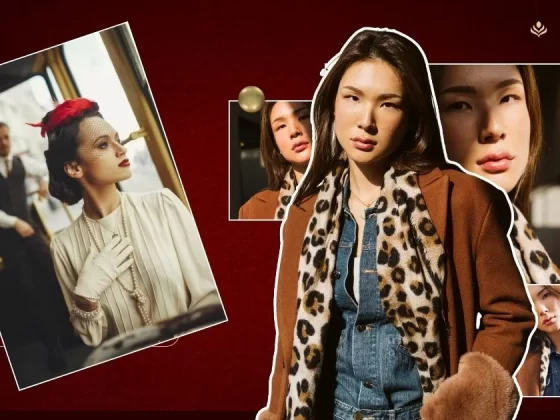
Scarves return in heavier fabrics such as wool blends, cashmere, and knitwear. Plaid patterns, earthy tones, and neutral shades dominate fall accessory palettes.
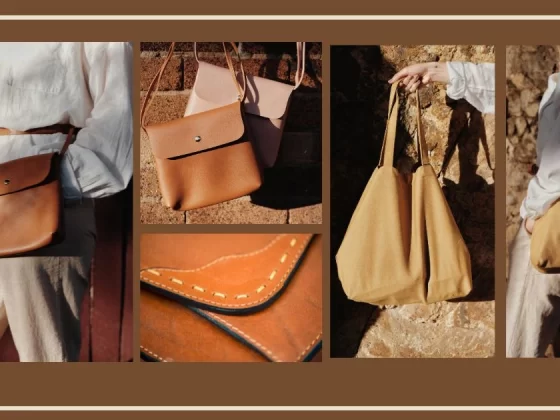
Bags become more structured in the fall. Leather totes, satchels, and shoulder bags in brown, tan, burgundy, or black reflect the season’s mood and pair well with outerwear.
Hats shift toward felt fedoras, berets, and knit beanies. These styles add sophistication and warmth while complementing coats and sweaters.
Jewelry in the fall often features warmer metals like gold, bronze, and brass. Designs may include natural stones, textured finishes, and minimalist shapes that align with fall fashion aesthetics.
Belts also become more prominent in fall, helping define layers and add structure to oversized sweaters, cardigans, and coats.
Winter Accessories
Winter accessories are where fashion and function must work together. Cold temperatures demand practical solutions, but that does not mean sacrificing style.
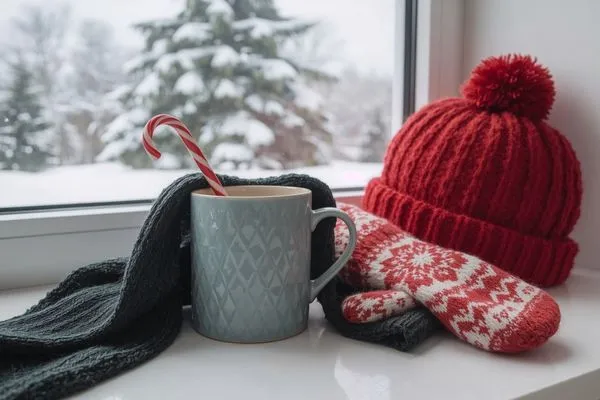
Scarves, gloves, and hats become essential. Chunky knit scarves, insulated gloves, and cozy beanies or wool hats help retain warmth while offering opportunities for color and texture.
Outerwear accessories matter more in winter. Statement scarves, brooches, and belt details on coats help differentiate looks when clothing layers are similar day to day.
Bags in winter often focus on durability. Structured leather bags, weather-resistant materials, and darker colors handle snow, rain, and frequent use.
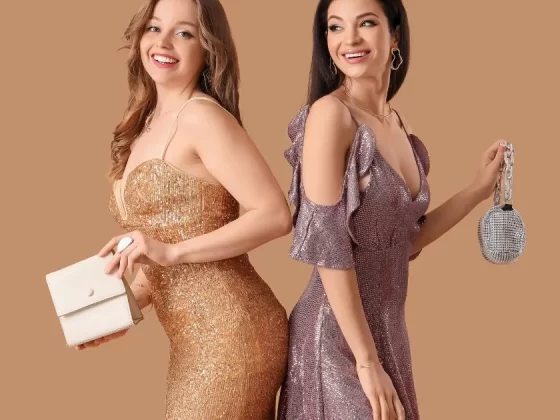
Jewelry trends in winter may be more understated due to heavier clothing, but bold earrings and layered necklaces still find their place, especially for evening wear and events.
Footwear-related accessories, such as thick socks, leg warmers, and boot accessories, also play a role in both comfort and style during colder months.
Seasonal Accessories and Sustainable Fashion
Sustainability has become an essential part of fashion conversations, and seasonal accessories are no exception. Many consumers now look for accessories that last beyond one season or can transition effortlessly throughout the year.
Versatile accessories reduce the need for constant buying. Neutral scarves, classic bags, and timeless jewelry can work across multiple seasons with thoughtful styling.
Materials also matter. Natural fibers, recycled metals, and ethically sourced materials appeal to eco-conscious shoppers who want accessories with a lower environmental impact.
For brands, offering quality seasonal accessories rather than fast trend items can build trust and long-term customer loyalty.
How to Choose the Right Seasonal Accessories
Choosing seasonal accessories starts with understanding your lifestyle. Someone who spends a lot of time outdoors will prioritize function, while someone who attends social events may focus more on statement pieces.
Color coordination is another key factor. Accessories can either blend with your wardrobe or add contrast. Seasonal colors often naturally guide these choices.
Quality should not be overlooked. Accessories are used frequently, so durability matters. A well-made bag or scarf can last for years and remain stylish across seasons.
Finally, personal style should always lead the decision. Trends come and go, but accessories that reflect your personality will always feel right.
Seasonal Accessories in Retail and E-commerce
Seasonal accessories are one of the most dynamic and strategic product categories for both fashion retailers and online sellers. Unlike clothing, accessories are typically one-size-fits-all, making inventory management more straightforward and reducing sizing-related returns. Many seasonal accessories, such as scarves, hats, gloves, sunglasses, and statement jewelry, often have higher profit margins because they are perceived as complementary or luxury add-ons rather than necessities. This makes them ideal for boosting overall revenue while encouraging impulse purchases.
Launching seasonal collections is also an effective way to keep customers engaged year-round. A new range of holiday-, season-, or special-event-themed accessories creates excitement and motivates shoppers to check back frequently, both in physical stores and on online platforms. Limited-edition pieces, like a winter-themed clutch or a summer festival bracelet set, add a sense of urgency that can drive immediate purchases and even foster exclusivity among loyal customers.
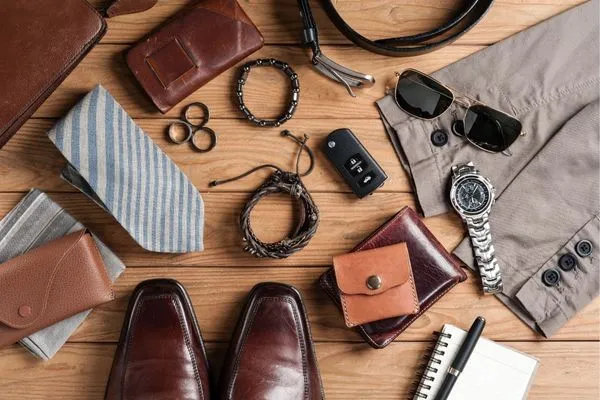
Visual merchandising plays a crucial role in the success of seasonal accessories. Accessories are often smaller items, so styling them within complete looks can help customers visualize how they fit into their everyday wardrobe. Displaying a handbag alongside coordinating shoes, scarves, or jewelry, for example, allows shoppers to imagine the full effect and encourages them to purchase multiple items together. For e-commerce platforms, high-quality images, lifestyle photos, and even short videos of accessories in use enhance this effect and create an engaging shopping experience that mirrors in-store displays.
Beyond sales, seasonal accessories are highly effective in content marketing. Style guides, trend forecasts, and seasonal lookbooks not only inspire shoppers but also drive organic traffic to websites. Sharing how to style a statement belt for fall layering, a beach-ready sun hat for summer, or holiday-themed earrings on blogs, social media, or email campaigns encourages customers to engage with the brand while positioning the retailer as a trend-savvy authority. Seasonal content can also boost social media engagement by sharing posts that inspire users to recreate the looks and increase product visibility.
In short, seasonal accessories are a versatile tool in retail and e-commerce. They are easier to manage than apparel, offer higher margins, drive impulse purchases, and create opportunities for both engaging content and visually compelling merchandising. By strategically curating seasonal collections and pairing them with creative marketing and styling, brands can keep their audience engaged, boost sales, and strengthen customer loyalty year-round.
Why Seasonal Accessories Matter
Seasonal accessories are more than finishing touches. They reflect how fashion responds to climate, culture, and personal expression throughout the year.
By understanding how accessories shift with the seasons, you can build a wardrobe that feels fresh, functional, and uniquely yours. Whether you prefer subtle classics or bold statement pieces, the proper seasonal accessories can elevate even the simplest outfit.
In fashion, small details often make the biggest impact. Seasonal accessories prove that style is not just about what you wear, but also about how you adapt it to the moment, the weather, and your evolving taste.