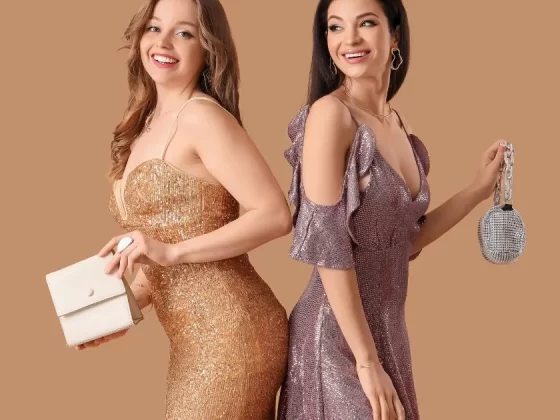
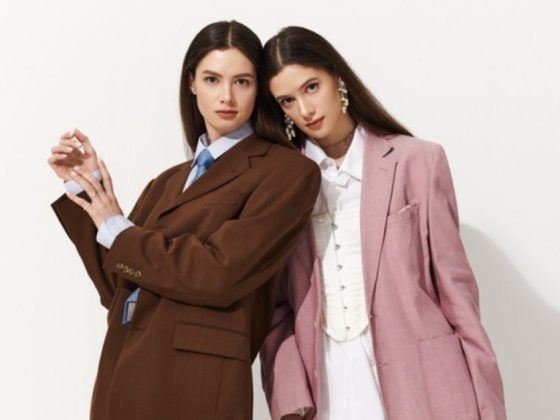
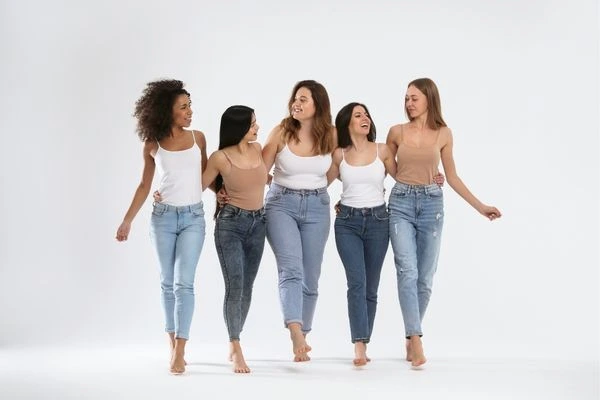
Fashion is not just about following trends. It is about celebrating individuality and highlighting what makes each body unique. Understanding body types is a key step in creating a wardrobe that feels confident, comfortable, and stylish. By learning how to dress for specific body shapes, you can accentuate natural assets, balance proportions, and express your personal style with confidence.
Body type fashion tips are not about restrictions. They are guidelines to help people navigate the vast world of clothing and look and feel their best. Whether dressing for work, casual outings, or special occasions, the right clothing choices can transform how a person feels and how others perceive them.

Understanding Body Types
Proportions and the distribution of weight and volume broadly categorize body types. While no system is perfect and many people have features from multiple categories, knowing one’s dominant shape can make choosing clothing much easier. The most commonly referenced body types include:
- Hourglass: Balanced shoulders and hips with a defined waist.
- Pear (Triangle): Hips wider than shoulders, often with a smaller bust.
- Inverted Triangle: Broader shoulders with narrower hips.
- Rectangle (Straight): Similar measurements for bust, waist, and hips, with little definition at the waist.
- Apple (Round): Fuller midsection with narrower hips and legs.
Each body type benefits from different styling techniques that enhance proportion and create a harmonious silhouette. Fashion choices can also be influenced by personal preferences, lifestyle, and comfort, so body type tips should be adapted rather than strictly followed.
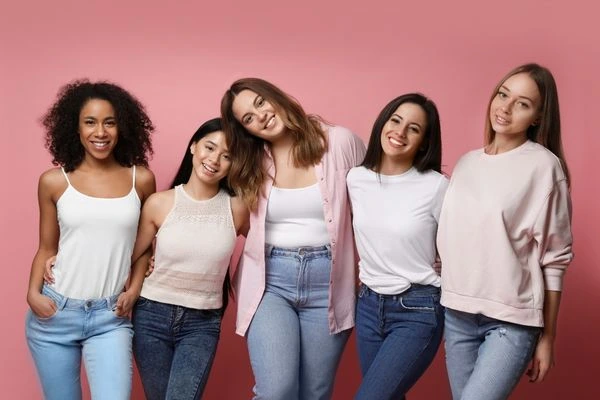
Body Type Fashion Tips to Flatter Every Shape with Style
Hourglass Body Type Fashion Tips
Hourglass figures are often considered the most balanced body shape. The key is to highlight the natural waist and maintain proportion between the bust and hips.
- Fitted Tops and Wrap Dresses: Tops that cinch at the waist or wrap dresses beautifully emphasize curves. For example, a classic wrap dress in a solid color or subtle print can define the waist while maintaining balance.
- High-Waist Bottoms: Pants, skirts, and shorts with a high waist help accentuate curves and elongate the legs. Pairing high-waist trousers with a tucked-in blouse creates a polished and flattering look.
- Structured Outerwear: Jackets and blazers with nipped-in waists highlight the natural hourglass shape. Avoid overly boxy coats that conceal the waistline.
- Balanced Accessories: Belts are a great tool for accentuating the waist, and handbags that sit at the hip or waist level help maintain overall proportion.
The hourglass figure offers flexibility in styles, but maintaining balance is key. Avoid overly loose clothing that hides curves or excessively tight pieces that can appear unbalanced.
Pear (Triangle) Body Type Fashion Tips
For pear-shaped bodies, the goal is to draw attention to the upper body while creating balance with narrower shoulders.
- Bright Tops and Patterned Blouses: Eye-catching tops with bold patterns, vibrant colors, or embellishments help draw attention upward. A patterned blouse paired with darker, solid bottoms creates an elongated silhouette.
- A-Line Skirts and Wide-Leg Pants: These shapes skim over the hips without clinging, creating a smooth line and balancing proportions. A-line skirts, midi skirts, and palazzo pants are excellent choices.
- Structured Jackets: Jackets that end at the waist or slightly above can highlight the upper body while avoiding a heavy look around the hips. Shoulder detailing or puffed sleeves can also create balance.
- Statement Accessories: Necklaces, earrings, and scarves can draw the eye toward the face and upper torso, diverting attention from the lower half if desired.
Pear-shaped individuals often benefit from avoiding low-rise pants or skinny skirts that accentuate the hips without balancing the shoulders. Instead, focus on creating an equilibrium between the top and bottom halves.
Inverted Triangle Body Type Fashion Tips
Inverted triangle shapes have broader shoulders than the hips. The key is to minimize the width at the top while enhancing the lower body.
- V-Necklines: Tops with V-neck or scoop necklines create vertical lines, softening the shoulder area and drawing attention downward.
- A-Line Skirts and Flared Pants: Wide or flared bottoms add volume to the hips and balance out broad shoulders. Full skirts, culottes, and palazzo pants are effective choices.
- Simpler Top Designs: Minimalist tops in darker shades reduce visual weight on the upper body. Avoid shoulder pads or heavy embellishments that add bulk.
- Belts at the Waist: Cinching the waist creates an hourglass illusion and provides proportion between the upper and lower body.
Inverted triangle shapes benefit from patterns, textures, and brighter colors on the lower half to create harmony. Pairing solid tops with statement bottoms is a practical strategy for balance.
Rectangle (Straight) Body Type Fashion Tips
Rectangle-shaped bodies have similar measurements for bust, waist, and hips, often with a straight silhouette. The aim is to create curves and define the waist.
- Peplum Tops and Dresses: These pieces add volume around the hips, creating the illusion of curves. Peplum jackets, blouses, and dresses work well for this purpose.
- Layering Techniques: Layering with belts, jackets, and cardigans can create dimension and shape along the torso. Structured pieces, like a tailored blazer, can define the waist.
- A-Line Dresses and Skirts: Flared skirts and dresses that cinch at the waist add femininity and create the appearance of a curvier silhouette.
- Strategic Prints and Textures: Patterns that draw attention to the bust or hips, or textures like ruching or gathering, help break up a straight silhouette.
Rectangle body types also benefit from experimenting with color blocking. Placing darker shades on one area and lighter shades on another creates the illusion of curves while maintaining overall balance.
Apple (Round) Body Type Fashion Tips
Apple-shaped bodies carry weight around the midsection, often with slimmer legs and arms. The goal is to elongate the torso and draw attention to the legs and face.
- Empire Waistlines and Wrap Dresses: Dresses and tops that gather under the bust emphasize the narrowest part of the torso and flow over the midsection. Wrap dresses in soft, drapey fabrics create a flattering silhouette.
- V-Necklines and Vertical Lines: V-necks, button-down shirts, and long cardigans draw the eye downward, creating length and slimming the upper body. Vertical stripes are particularly effective.
- Structured Outerwear: Jackets and coats that are fitted at the shoulders and open in the front elongate the body while avoiding bulk in the midsection. Avoid boxy or shapeless pieces.
- Show Off Legs and Arms: Slim-fitting pants, cropped trousers, and tailored sleeves highlight parts of the body that are often slimmer, creating a balanced appearance.
Apple-shaped individuals benefit from avoiding clingy fabrics around the stomach or tops that end at the widest part of the torso. Choosing clothing that flows or drapes strategically provides comfort and style.

Universal Tips for All Body Types
While body type-specific strategies help, some fashion principles work for everyone:
- Tailoring is Key: Proper fit makes the biggest difference. Even inexpensive clothing looks polished when tailored to the body.
- Invest in Wardrobe Staples: Well-made basics, like a classic blazer, a white button-up shirt, or dark denim, can be mixed and matched to create multiple outfits for different body types.
- Balance Proportions: Every outfit should consider visual balance. Pairing a fitted top with wide-leg pants or a voluminous skirt with a structured top is a tried-and-true technique.
- Play with Accessories: Belts, scarves, jewelry, and shoes can highlight strengths and divert attention from areas that feel less comfortable.
- Prioritize Comfort and Confidence: No guideline matters if the wearer is uncomfortable. Feeling confident in clothing enhances posture, presence, and overall style.
Real-Life Examples of Body Type Styling
Fashion icons provide tangible examples of these principles in action.
- Hourglass: Sofia Vergara frequently wears wrap dresses and fitted gowns that accentuate her waist and balance her proportions.
- Pear: Rihanna often pairs bold tops with A-line skirts, drawing attention to her upper body while creating balance.
- Inverted Triangle: Naomi Campbell has been seen in V-neck tops and flared pants that soften her broad shoulders while enhancing her lower body.
- Rectangle: Victoria Beckham uses peplum tops and fitted dresses to create curves while maintaining elegance.
- Apple: Mindy Kaling opts for empire-waist dresses and vertical stripes to elongate her torso and showcase her slimmer limbs.
These examples highlight that while body type fashion tips guide choices, personal style and confidence ultimately define the outcome.
The Role of Fabric, Color, and Patterns
Fabric choice can significantly affect how clothing interacts with the body. Soft, drapey fabrics are ideal for flowy styles that disguise midsection areas, while structured fabrics provide support and definition. Stretch materials allow movement without compromising shape.
Colors and patterns are equally powerful. Darker shades create a slimming effect, while lighter tones and bright patterns draw attention to specific areas. Vertical stripes elongate, horizontal stripes widen, and strategically placed prints can enhance or minimize certain features. Combining colors and patterns thoughtfully ensures outfits complement the body rather than overpower it.
Body Type Tips for Style and Self-Expression
Understanding body type fashion tips is not about adhering to strict rules. It is about learning how clothing interacts with the body and using that knowledge to create confidence, comfort, and style. Everybody is unique, and the best fashion choices embrace individuality while enhancing natural features.
Experimenting with different silhouettes, fabrics, and accessories allows people to express personality while dressing in a way that feels harmonious. By focusing on proportion, fit, and personal taste, fashion becomes not only a reflection of style but also a celebration of self-confidence.
Dressing for your body type empowers better wardrobe decisions, creates versatile outfits, and allows for stylish choices that feel natural and effortless. Ultimately, fashion works best when it makes the wearer feel confident, authentic, and ready to take on the world.