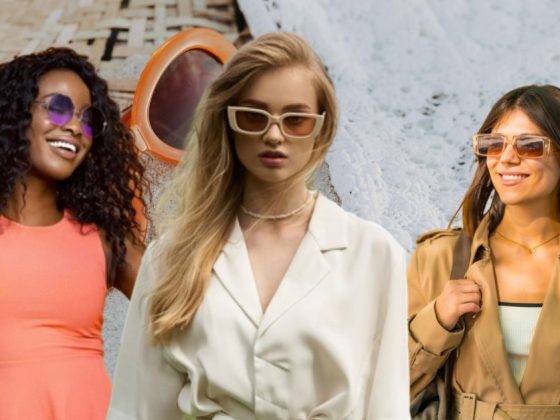
Instagram has evolved far beyond being a photo-sharing app. It is now a global hub for fashion inspiration, trendsetting, and social commerce. Each year, the platform shapes how millions of people view and adopt fashion trends. As 2026 approaches, Instagram is expected to continue driving the evolution of style, from wardrobe choices to how fashion is presented and consumed.
Instagram fashion trends in 2026 reflect the growing intersection of technology, sustainability, creativity, and individuality. Users no longer follow brands or influencers; they curate their feeds, engage with communities, and express their personal style in increasingly nuanced ways. Understanding these trends provides insight into not only what will be popular but also how fashion culture is shifting online.
This guide explores Instagram fashion trends for 2026, including key aesthetics, influential accounts, technological integration, shopping habits, and styling tips that blend social media trends with real-life practicality.
Visual Storytelling and Aesthetic Consistency
Visual storytelling remains at the core of Instagram fashion culture. In 2026, the focus will shift from perfectly polished images to authentic, aesthetically cohesive content. Feeds that reflect a clear style narrative will stand out. This trend combines high-quality photography with a sense of personal identity.
Influencers and brands will continue to leverage storytelling by combining fashion with lifestyle imagery. Outfits will not just be shown for their beauty but will be contextualized in everyday settings. For instance, a streetwear look may be photographed during a morning coffee run, while a formal outfit appears in a casual urban environment. These visual narratives make fashion relatable and aspirational simultaneously.
Consistency in visual tone is essential. Filters, color grading, and composition will continue to define Instagram feeds. Neutral palettes, warm tones, or subtle pastels will dominate feeds that aim for timelessness, while vibrant colors and bold contrasts will appeal to audiences seeking energetic, playful aesthetics. Maintaining a cohesive feed is no longer just about appearances; it signals credibility and brand identity.
The Rise of Sustainable Fashion Content
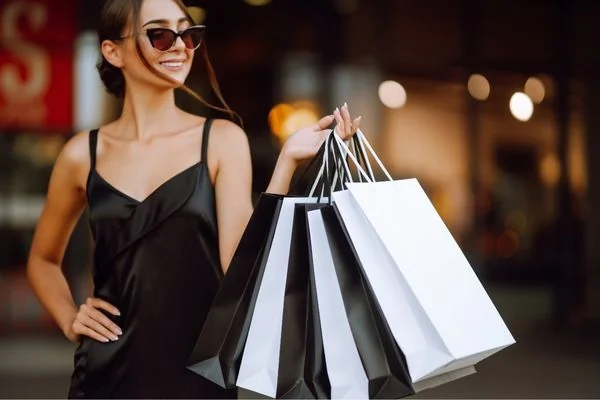
Sustainability is no longer a niche topic. By 2026, Instagram will increasingly highlight eco-conscious fashion. Users are drawn to brands and influencers who prioritize ethical production, upcycled materials, and minimal environmental impact.
Expect to see more posts showcasing sustainable wardrobe choices, from second-hand shopping hauls to capsule wardrobe strategies. Brands will use Instagram to highlight their sustainability efforts, such as showcasing biodegradable fabrics, zero-waste packaging, and transparent supply chains.
Influencers who educate their followers on sustainable fashion practices, like swapping fast fashion for timeless pieces or mixing vintage items with modern styles, will gain traction. Sustainability content is not just informative; it inspires engagement, encourages responsible consumption, and builds trust with audiences who care about the planet.
Micro-Influencers and Community-Driven Fashion
Micro-influencers, defined as accounts with 5,000 to 50,000 followers, will continue to grow in significance in 2026. Unlike mega-celebrities, these creators foster close-knit communities and authentic engagement. Their fashion recommendations feel more attainable and relatable, driving trends in subtle, organic ways.
Instagram users are increasingly seeking authenticity over celebrity glamour. Micro-influencers often share personal styling tips, affordable alternatives, and day-to-day outfits that resonate with their followers’ lives. This trend also democratizes fashion influence, allowing niche aesthetics like cottagecore, Y2K revival, or retro streetwear to flourish.
Brands are collaborating with micro-influencers to reach highly engaged audiences. Sponsored content feels natural when it aligns with the influencer’s personal style. This partnership allows new trends to circulate faster and encourages interactive content, such as polls, styling challenges, or collaborative giveaways.
Technology Integration: AR, AI, and Virtual Fashion
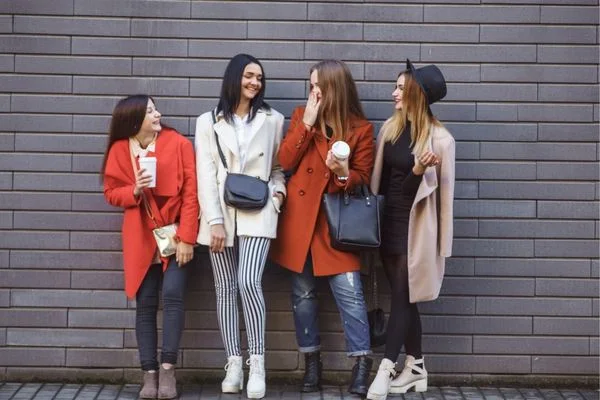
Instagram in 2026 will incorporate more advanced technology to shape fashion trends. Augmented reality (AR) filters will allow users to virtually try on clothing, accessories, or entire outfits before purchasing. These virtual experiences make online shopping more interactive, improving confidence in styling and fit.
Artificial intelligence (AI) will personalize content feeds, recommending outfits, brands, or influencers based on individual style preferences. AI-powered tools will also help users discover trends faster, such as identifying emerging colors, silhouettes, or patterns across the platform.
Virtual fashion and digital clothing will continue to grow. Fashion brands are already experimenting with NFTs and digital-only garments that can be worn in virtual spaces or on social media avatars. Instagram will likely integrate digital wardrobes into feeds, allowing users to showcase both physical and virtual fashion. This development bridges social media trends with gaming and metaverse culture, expanding the definition of fashion influence.
Bold Colors, Patterns, and Statement Pieces
Visual trends on Instagram often translate to real-world wardrobe choices. In 2026, bold colors, eye-catching patterns, and statement pieces will dominate Instagram fashion feeds. Vibrant hues such as neon green, coral, and electric blue are expected to be popular, especially when paired with neutral or monochrome outfits to balance intensity.
Patterns will be used creatively. Geometric prints, floral mixes, abstract motifs, and retro-inspired patterns are likely to feature prominently. Instagram posts will combine these prints with unexpected pairings, layering textures, and oversized silhouettes to create dynamic, feed-worthy looks.
Statement pieces will play a pivotal role. Accessories like sculptural handbags, layered jewelry, or dramatic shoes can elevate simple outfits. Instagram content will often highlight these key items, guiding followers on how to integrate statement pieces into everyday wear.
2000s and Y2K Revival Influence
The influence of the early 2000s and Y2K fashion shows no signs of slowing down in 2026. Instagram is central to this revival, with fashion creators remixing nostalgic elements into modern aesthetics. Low-rise jeans, baby tees, metallic fabrics, cargo pants, and playful accessories will appear regularly.
Social media posts often blend vintage and contemporary elements, showing followers how to reinterpret retro trends with modern sensibilities. For example, a Y2K-inspired top can be styled with tailored pants, chunky sneakers, or minimalist jewelry to achieve a balanced look. Instagram will continue to celebrate this fusion of nostalgia and innovation, keeping early-2000s styles relevant and fresh.
Oversized and Relaxed Silhouettes
Oversized and relaxed silhouettes dominate Instagram fashion feeds. From baggy blazers and wide-leg trousers to oversized cardigans and flowing dresses, comfort and ease are at the forefront of style. These looks are not only visually appealing but also reflect the cultural shift toward comfort-driven fashion that prioritizes personal well-being.
Influencers on Instagram often demonstrate how to balance proportions with oversized pieces. Tucking in a blouse, cinching the waist with a belt, or layering strategically helps maintain a polished appearance while embracing relaxed silhouettes. The trend encourages experimentation with volume, fabric drape, and layering techniques that create interest without overwhelming the body.
DIY, Upcycling, and Personalization
Instagram users increasingly value originality and personal expression. DIY fashion projects, upcycling old clothes, and customizing existing pieces are gaining attention. Posts featuring patchwork designs, embroidery, tie-dye techniques, and hand-painted garments are becoming staples on fashion feeds.
This trend encourages a deeper connection between followers and their wardrobe. Sharing these personalized creations fosters engagement, inspires creativity, and promotes sustainability. Brands and influencers who highlight ways to modify, restyle, or reimagine existing clothing appeal to a growing audience invested in both ethics and originality.
Influencer-Driven Micro-Trends
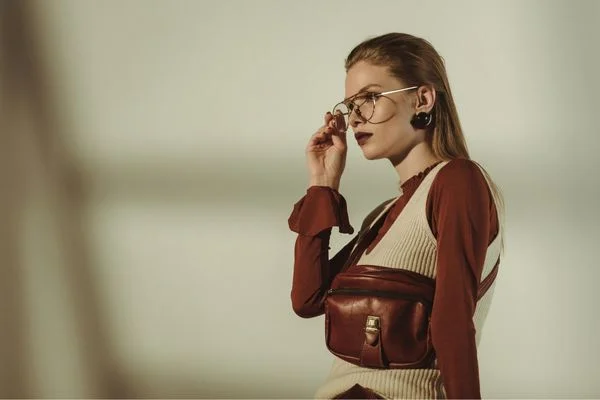
Micro-trends spread rapidly on Instagram, fueled by influencer culture. One viral outfit or styling trick can inspire thousands of posts in a matter of days. Micro-trends might include specific color combinations, unexpected layering, unique accessory pairings, or silhouette experimentation.
Tracking these trends allows followers to stay ahead of the curve while giving creators the opportunity to showcase their originality. For example, a specific way of knotting a shirt or layering necklaces may become iconic within weeks. These trends highlight the symbiotic relationship between Instagram content creation and real-world fashion adoption.
Seasonal Trends and Instagram Aesthetics
Seasonal trends remain a critical aspect of Instagram fashion content. In spring and summer, lightweight fabrics, breezy dresses, linen pieces, and pastel colors dominate feeds. Posts often highlight outdoor settings, travel scenes, and bright natural light to complement these seasonal looks.
In fall and winter, textures become key. Knitwear, layered outfits, leather pieces, and muted earth tones populate Instagram posts. Content creators often experiment with outerwear, boots, and accessories to create visually striking winter looks. Seasonal aesthetics drive engagement and offer inspiration for practical wardrobe planning.
Streetwear Influence and High-Low Styling
Streetwear continues to shape Instagram fashion trends. Oversized hoodies, graphic tees, cargo pants, and chunky sneakers remain central, but high-low styling adds sophistication. Pairing streetwear elements with tailored pieces, silk blouses, or structured coats creates balanced outfits that appeal to both casual and fashion-conscious audiences.
Instagram posts often feature these combinations in urban settings, emphasizing lifestyle over pure fashion. The mix of streetwear and elevated clothing resonates with younger audiences and highlights the creative potential of combining seemingly disparate styles.
Interactive and Shoppable Content
In 2026, Instagram fashion trends will increasingly leverage interactive and shoppable content. Product tags, links to online stores, and integrated e-commerce features make it easier for followers to purchase items featured in posts. Shoppable videos and carousel posts allow users to explore outfits in detail.
This interactive trend encourages engagement and bridges the gap between inspiration and action. Followers can directly adopt trends showcased by influencers, making Instagram a vital platform for fashion discovery, trend adoption, and commerce.
Instagram Fashion 2026: Trends, Tech, and Authentic Style
Instagram fashion trends in 2026 reflect a complex blend of creativity, individuality, and technological integration. Users are seeking authenticity, sustainable practices, and visually engaging content that tells a story. Influencers, micro-trends, and digital innovation shape what is considered fashionable and drive new ways to style, shop, and showcase clothing.
Bold colors, statement pieces, relaxed silhouettes, sustainable fabrics, and Y2K nostalgia are expected to dominate Instagram feeds. Interactive features, virtual try-ons, and micro-influencer content will further revolutionize how fashion spreads online.
For fashion enthusiasts, 2026 offers opportunities to engage with style in more thoughtful and personalized ways. Instagram remains a central platform for inspiration, creativity, and trendsetting. By understanding these emerging trends, anyone can navigate the evolving fashion landscape with confidence, style, and authenticity.