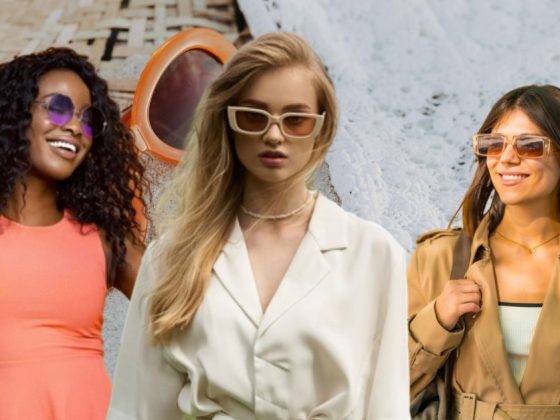
In the modern fashion landscape, influencers have become some of the most powerful voices shaping trends, guiding consumer behavior, and redefining how fashion is marketed. From Instagram feeds to TikTok videos, fashion influencers have turned personal style into a platform, inspiring millions of followers to experiment with their looks and engage with brands in ways that were unimaginable a decade ago. Understanding who these influencers are, how they operate, and why they hold such sway is crucial for anyone interested in fashion, marketing, or the intersection of social media and style.
What is a Fashion Influencer?
A fashion influencer is someone who has cultivated a significant following on social media platforms and uses their personal style and expertise to influence the purchasing decisions, aesthetic preferences, and fashion awareness of their audience. Unlike traditional models or celebrities who are often part of orchestrated campaigns, fashion influencers connect directly with their followers, offering a sense of authenticity and relatability.
These influencers can range from micro-influencers with a few thousand followers to mega-influencers with millions of fans. Their appeal comes from their ability to make fashion accessible. Followers are drawn to influencers who provide style inspiration, honest reviews, DIY ideas, and insights into the latest trends. They often collaborate with brands, attending fashion shows, launching collections, or promoting products, blurring the line between marketing and personal style expression.
The Rise of Fashion Influencers
The rise of fashion influencers is closely tied to the growth of social media. Platforms like Instagram, TikTok, and Pinterest have democratized fashion, allowing anyone with a keen eye for style to reach a global audience. Unlike traditional fashion media dominated by editors and industry insiders, social media has empowered everyday individuals to become tastemakers.
Early fashion bloggers paved the way for this trend. Bloggers shared personal experiences, street style photography, and honest opinions about products, gradually attracting dedicated followers. With the introduction of Instagram, fashion content became more visual, giving rise to influencers who combined high-quality photography with compelling narratives. TikTok further revolutionized the industry by enabling short-form, engaging video content, which quickly spread trends, popularized styles, and created viral fashion moments.
Categories of Fashion Influencers
Fashion influencers are not a monolithic group. They can be categorized based on their follower count, niche, or content style.
Mega-Influencers
Mega-influencers typically have over a million followers. These influencers often include celebrities, established fashion icons, or social media stars with a broad appeal. Their influence extends beyond fashion to lifestyle, beauty, and culture. Mega-influencers often collaborate with luxury brands, appear at major fashion events, and command significant marketing budgets.
Macro-Influencers
Macro-influencers have a following of between 100,000 and a million. They usually focus on a specific niche within fashion, such as streetwear, sustainable fashion, or luxury trends. Brands value these influencers for their high engagement rates and targeted audience. They often strike a balance between aspirational and relatable content, which helps maintain credibility.
Micro-Influencers
Micro-influencers typically have 10,000 to 100,000 followers. They are known for their authenticity, personal connection with their audience, and high engagement levels. Brands increasingly prefer micro-influencers for campaigns because their followers trust their recommendations, and the cost of collaboration is lower compared to mega-influencers.
Nano-Influencers
Nano-influencers have fewer than 10,000 followers but often boast extremely engaged communities. They are often everyday people passionate about fashion and known for sharing honest opinions and detailed style insights. Their influence is highly localized, and their recommendations carry a personal touch that resonates deeply with their followers.
How Fashion Influencers Impact Trends
Fashion influencers are trendsetters in the truest sense. Their posts, videos, and stories can quickly turn a previously obscure item into a must-have. The speed at which trends spread today is largely thanks to influencers who blend creativity, authenticity, and social media algorithms to reach mass audiences.
For example, certain streetwear brands have gained global recognition due to the consistent promotion by popular influencers. Similarly, vintage and thrifted fashion items have experienced a resurgence in popularity because influencers highlight the sustainability and uniqueness of these pieces. Influencers also play a critical role in popularizing new styles, colors, and silhouettes, effectively shaping what becomes mainstream.
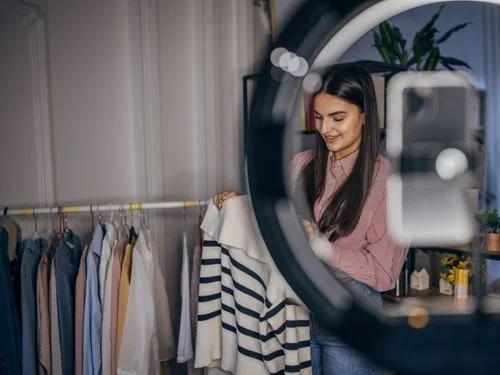
Influencers often collaborate with fashion designers and brands to launch capsule collections or co-branded products. These collaborations not only boost the brand’s visibility but also offer followers a sense of exclusivity. The influencer’s endorsement serves as a seal of approval, making it more likely that their audience will make a purchase.
Platforms Where Fashion Influencers Thrive
Different social media platforms have different strengths when it comes to fashion influence.
Instagram is perhaps the most iconic platform for fashion influencers. Its visual-first interface allows influencers to showcase outfits, promote brands, and build a curated aesthetic. Features like Stories, Reels, and Guides give influencers versatile tools to engage with followers, from sharing daily looks to providing shopping tips.
TikTok
TikTok has transformed the fashion industry by emphasizing short-form, viral content. Influencers use humor, music, and fast-paced edits to make fashion trends appealing and relatable. TikTok’s algorithm enables content to reach users beyond the influencer’s followers, creating viral moments that can sell out products in hours.
YouTube
YouTube remains a key platform for in-depth fashion content. Influencers use it for styling tutorials, hauls, lookbooks, and trend analysis. Long-form videos allow creators to provide detailed guidance, which builds trust and authority within their niche.
Pinterest functions as an inspiration hub. Fashion influencers use it to share mood boards, outfit ideas, and seasonal trend predictions. Pinterest drives discovery and traffic to blogs, e-commerce sites, or other social media platforms.
Characteristics of Successful Fashion Influencers
Not all influencers achieve long-term success. Certain traits distinguish influencers who consistently grow their following and maintain credibility.
- Authenticity: Successful influencers are genuine in their style, recommendations, and interactions with followers.
- Consistency: Posting regularly and maintaining a cohesive aesthetic keeps followers engaged.
- Creativity: Eye-catching content, innovative styling, and unique perspectives make influencers stand out.
- Knowledge: Being informed about trends, fabrics, designers, and fashion history enhances authority.
- Engagement: Interacting with followers through comments, live sessions, and collaborations builds community and trust.
Fashion Influencers and Brand Collaborations
Brands rely heavily on fashion influencers for marketing because influencers provide access to highly engaged audiences. Collaborations vary from sponsored posts and affiliate marketing to co-branded product lines.
Luxury brands often collaborate with mega- and macro-influencers to maintain exclusivity and elevate brand image. Mid-range brands may work with micro-influencers for targeted campaigns that focus on authenticity and relatability—even emerging brands leverage nano-influencers to gain traction within niche markets.
The impact of these collaborations is measurable. Social media campaigns featuring influencers often result in higher engagement rates, more website traffic, and increased sales. Influencers also help brands navigate cultural trends, ensuring marketing efforts resonate with the right audience.
The Economic Influence of Fashion Influencers
Fashion influencers have become significant economic players. Their ability to affect consumer behavior translates into measurable revenue for brands. Influencers with millions of followers can command thousands of dollars per post, while smaller influencers benefit from affiliate marketing and partnerships that provide ongoing income streams.
The influencer economy has also spurred jobs in content creation, photography, videography, styling, and digital marketing. Many influencers build entire businesses around their personal brand, launching clothing lines, merchandise, and online courses. This entrepreneurial approach has transformed influencers from hobbyists into full-time professionals.
Challenges Faced by Fashion Influencers
While the fashion influencer industry is lucrative and exciting, it comes with challenges.
- Pressure to Maintain Image: Constantly curating content can be exhausting, leading to burnout.
- Online Scrutiny: Influencers are subject to public criticism and negative comments, which can impact mental health.
- Algorithm Dependency: Social media platforms control visibility, and algorithm changes can dramatically affect reach.
- Authenticity vs. Monetization: Balancing sponsored content with genuine recommendations is critical for credibility.
Navigating these challenges requires resilience, strategic planning, and a strong understanding of the digital landscape. Successful influencers often diversify their platforms and revenue streams to mitigate risk.
Emerging Trends Among Fashion Influencers
Several trends are shaping the future of fashion, influencing:
- Sustainable Fashion: Many influencers emphasize eco-friendly, ethical, and secondhand clothing, reflecting growing consumer awareness.
- Inclusivity and Diversity: Influencers of all body types, genders, and ethnic backgrounds are gaining recognition, promoting more inclusive fashion standards.
- Digital Fashion: Virtual clothing, NFTs, and augmented reality experiences are becoming popular among tech-savvy influencers.
- Short-Form Video Dominance: TikTok and Instagram Reels continue to redefine how audiences engage with fashion content.
- Community-Driven Influence: Micro- and nano-influencers are increasingly valued for their close-knit, engaged communities rather than sheer follower count.
Examples of Influential Fashion Influencers
Some influencers have become household names, representing various niches and styles:
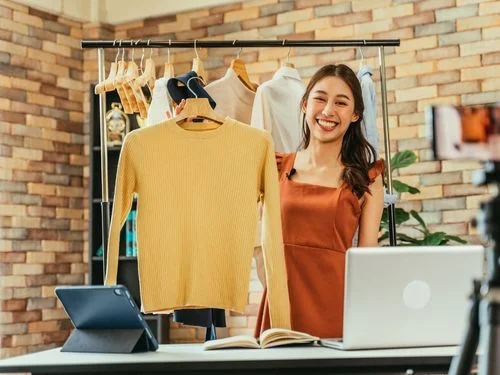
- Chiara Ferragni: One of the pioneers of fashion blogging, Chiara has expanded her influence globally, collaborating with luxury brands and launching her own fashion line.
- Blake Scott: Known for menswear expertise, Blake offers style tips, outfit ideas, and guides for modern men seeking tailored fashion inspiration.
- Wisdom Kaye: Recognized for his creative TikTok content, Wisdom blends streetwear with high-fashion elements, influencing youth fashion trends.
- Aimee Song: A fashion and lifestyle influencer who gained popularity through her blog and Instagram, offering outfit ideas, home décor inspiration, and travel tips.
- Adam Gallagher: With a focus on lifestyle and men’s fashion, Adam shares polished looks, travel style, and tips for personal branding through fashion.
These influencers illustrate the diversity within the industry, showing that style, creativity, and authenticity are more important than follower count alone.
How to Become a Fashion Influencer
Becoming a fashion influencer requires strategy, creativity, and dedication:
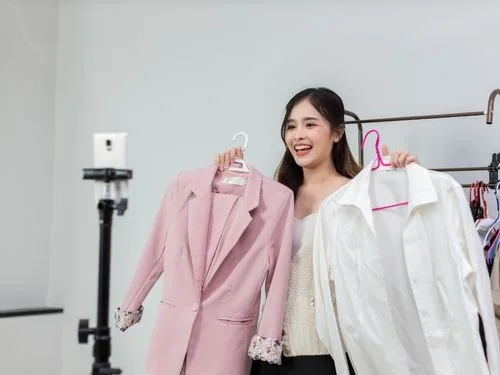
- Define Your Niche: Focus on a specific area, such as streetwear, sustainable fashion, or luxury style.
- Create High-Quality Content: Invest in photography, videography, and editing to produce visually appealing content.
- Engage With Followers: Build community through interactions, answering questions, and sharing personal insights.
- Stay Current: Keep up with trends, designers, and cultural shifts in fashion.
- Collaborate and Network: Partner with brands, fellow influencers, and creatives to expand reach.
- Be Consistent: Post regularly and maintain a cohesive aesthetic to strengthen your personal brand.
The Future of Fashion Influencers
The role of fashion influencers will continue evolving. With advancing technology, virtual fashion shows, augmented reality try-ons, and AI-assisted style recommendations are becoming more common. Fashion influencers play a key role in connecting traditional fashion with digital experiences, creating a more interactive and personalized approach to style.
The demand for authenticity, inclusivity, and sustainability will likely drive the next generation of influencers. Micro- and nano-influencers will remain critical because audiences value personal connection and trust over sheer numbers. Fashion influencers are no longer just trendsetters; they are cultural curators, entrepreneurs, and storytellers who shape the future of fashion.
How Influencers Define Style and Consumer Choices
Fashion influencers have reshaped the perception of style, brands, and trends. Mega-influencers collaborating with luxury brands and nano-influencers inspiring niche communities both demonstrate significant impact. Creativity, authenticity, and strategic insight guide their influence on fashion choices, purchasing decisions, and aspirational style.
In an industry that is constantly evolving, fashion influencers provide guidance, inspiration, and insight. They bridge the gap between the fashion world and everyday consumers, making style accessible, aspirational, and relevant. As social media continues to grow, the role of fashion influencers will only become more significant, shaping trends, promoting diversity, and defining the future of fashion for years to come.